
























In the digital landscape, Distributed Denial of Service (DDoS) attacks represent one of the most pervasive and disruptive forms of cyber threats.
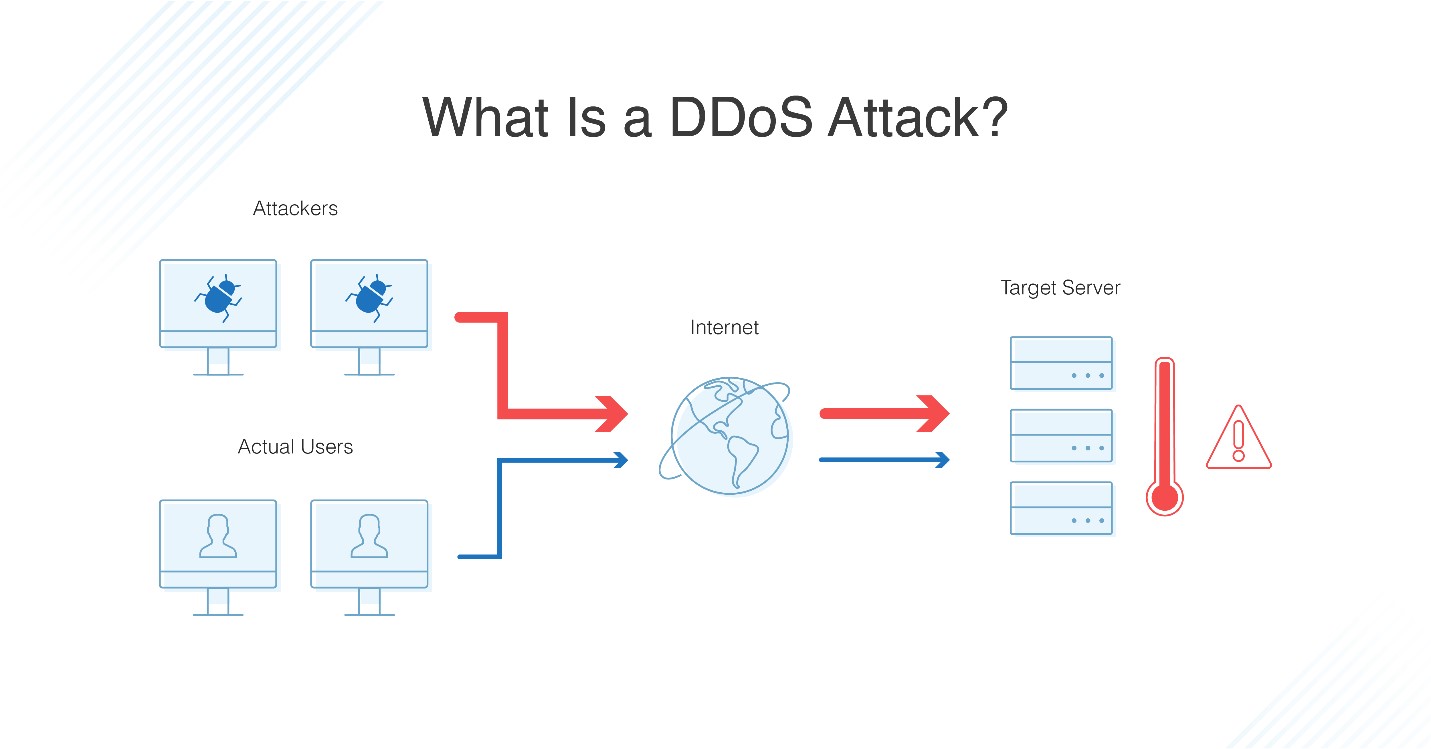
These attacks aim to disrupt the normal functioning of a targeted server, network, or website by overwhelming it with a flood of malicious traffic.
Understanding the DDoS attacks explained causes, effects, and how to protect your site is crucial for both beginners and expert-level users in today’s interconnected online environment.
-
Understanding DDoS Attacks:
DDoS attacks occur when multiple compromised systems, often referred to as botnets, flood a target system with an overwhelming amount of traffic.
These attacks can be launched from thousands or even millions of devices simultaneously, making them extremely difficult to mitigate.
Causes:
The primary cause of DDoS attacks is the exploitation of vulnerabilities in various internet-connected devices. Hackers use malware to infect computers, IoT devices, servers, and even smartphones, forming botnets capable of carrying out coordinated attacks.
Effects:
The effects of DDoS attacks can be devastating for businesses and individuals alike. These effects include:
-
Downtime:
The targeted website or service becomes inaccessible to legitimate users, leading to loss of revenue and reputation damage.
-
Financial Loss:
Businesses may suffer significant financial losses due to interrupted operations, decreased productivity, and potential extortion demands from attackers.
-
Reputation Damage:
Customers may lose trust in a company’s ability to safeguard their data and provide reliable services, resulting in long-term damage to the brand reputation.
-
Legal Consequences:
Depending on the severity of the attack and its impact on critical infrastructure, companies may face legal liabilities and regulatory penalties.
-
Types of DDoS Attacks:
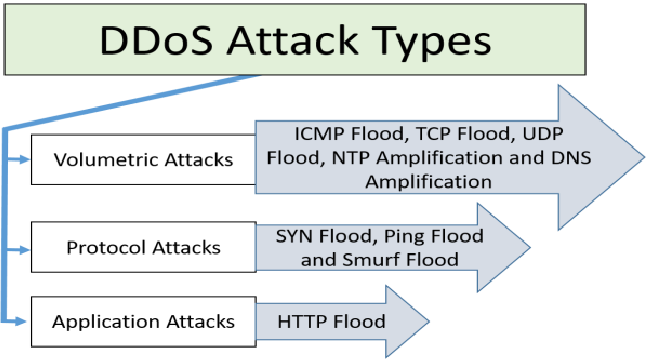
DDoS attacks come in various forms, each with its own techniques and characteristics. Some common types of DDoS attacks include:
-
Volumetric Attacks:
These attacks flood the target with a massive volume of traffic, overwhelming its bandwidth capacity and rendering it inaccessible.
-
Protocol Attacks:
Protocol attacks exploit vulnerabilities in network protocols such as TCP, UDP, and ICMP to exhaust server resources and disrupt communications.
-
Application Layer Attacks:
Also known as Layer 7 attacks, these target specific applications or services within the network infrastructure, exploiting vulnerabilities in the application layer to disrupt services.
-
How to Protect Your Site Against DDoS Attacks:
Protecting your website or online service against DDoS attacks requires a multi-layered approach that combines proactive measures with reactive strategies.
Here’s a step-by-step guide for beginners and expert-level users:
Step 1: Assess Your Risk Profile:
Begin by evaluating your website’s risk profile and potential vulnerabilities. Identify critical assets, such as servers, databases, and network infrastructure that could be targeted by attackers.
Step 2: Implement DDoS Mitigation Tools:
Deploy dedicated DDoS mitigation tools and services to detect and mitigate attacks in real-time. These solutions utilize advanced algorithms and machine learning techniques to distinguish legitimate traffic from malicious ones and block or divert suspicious traffic accordingly.
Step 3: Configure Network Security Protocols:
Configure firewalls, intrusion detection/prevention systems (IDS/IPS), and other network security protocols to filter out malicious traffic and prevent unauthorized access to your network infrastructure.
Step 4: Use Content Delivery Networks (CDNs):
Utilize Content Delivery Networks (CDNs) to distribute website content across multiple servers and data centers. CDNs can absorb and mitigate DDoS attacks by distributing incoming traffic across a geographically diverse network infrastructure.
Step 5: Monitor Traffic Patterns:
Regularly monitor network traffic patterns and establish baseline metrics to detect anomalies indicative of a potential DDoS attack. Implement traffic monitoring tools and intrusion detection systems to identify and respond to threats in real-time.
Step 6: Develop an Incident Response Plan:
Develop a comprehensive incident response plan outlining procedures for mitigating DDoS attacks, communicating with stakeholders, and restoring services in the event of an attack. Conduct regular drills and simulations to test the effectiveness of your response plan.
Step 7: Stay Informed and Educated:
Stay informed about emerging DDoS attack trends, techniques, and mitigation strategies by actively participating in cybersecurity communities, attending conferences, and engaging with industry experts. Continuously update your knowledge and skills to stay ahead of evolving threats.
Conclusion:
DDoS attacks pose a significant threat to the availability, integrity, and confidentiality of online services and networks.
By understanding the DDoS attacks explained causes, effects, and how to protect your site, both beginners and expert-level users can effectively safeguard their websites and mitigate the risk of disruption.
By adopting a proactive approach to cyber security and implementing robust mitigation strategies, organizations can minimize the impact of DDoS attacks and ensure the uninterrupted availability of their online services.
Recent Posts
 Implementing a 3-2-1 Backup Strategy for BusinessJuly 30, 2026
 High Availability 101: Setting Up a Load BalancerJuly 29, 2026
 Advanced Email Deliverability: SPF, DKIM, and DMARCJuly 29, 2026


Leave a Reply